Beyond the Skyline: Exploring Dubai’s Rich Cultural Roots



Dubai is widely recognized as a symbol of modernity in the Middle East, famous for its iconic skyscrapers, luxurious shopping, and cosmopolitan lifestyle. Yet beneath this futuristic skyline lies a rich cultural heritage that offers visitors a captivating blend of history and contemporary spirit. This blog explores Dubai’s traditional experiences, historic landmarks, vibrant cultural events, and authentic local cuisine — all key to understanding the unique cultural tapestry that defines this dynamic city.
The Pulse of Tradition in a Modern Metropolis
While Dubai dazzles with rapid modernization and cutting-edge architecture, the city’s heart still beats strongly with its Bedouin roots and traditional customs. These elements are woven into Dubai’s urban fabric through architectural styles, cultural preservation efforts, and ongoing celebrations of heritage. From historic neighborhoods to cultural centers, Dubai balances its future-forward vision with a genuine respect for its past.
Historic Sites: A Journey Through Time
Dubai’s historic districts provide a fascinating window into its evolution from a humble fishing village to a thriving global metropolis. The Al Fahidi Historical Neighbourhood, also known as Bastakiya, stands out as a must-visit area featuring traditional wind-tower architecture and narrow alleyways reminiscent of old Dubai. Nearby, the Dubai Museum housed in Al Fahidi Fort offers a rich narrative of the city’s history.
Just a short distance away, the Sheikh Mohammed Centre for Cultural Understanding (SMCCU) invites visitors to engage deeply with Emirati culture through guided tours, cultural meals, and insightful talks. These experiences foster a greater appreciation for local customs and Islamic traditions that continue to shape daily life in Dubai.
Traditional Experiences: Immersing in Local Culture
To truly experience Dubai’s cultural essence, engaging with its traditional activities is essential. The city’s vibrant souks, such as the Gold Souk and Spice Souk, offer sensory journeys filled with colorful displays, aromatic spices, and the lively atmosphere of trading that has endured for generations. These bustling markets are where tradition and commerce harmoniously coexist.
Another iconic experience is the desert safari — a journey into the golden dunes surrounding Dubai. These adventures often conclude with a traditional Bedouin camp setup, featuring camel rides, falconry demonstrations, and authentic Arabic meals served under the stars, providing a memorable immersion into regional heritage.
Cultural Events: Celebrating Diversity and Heritage
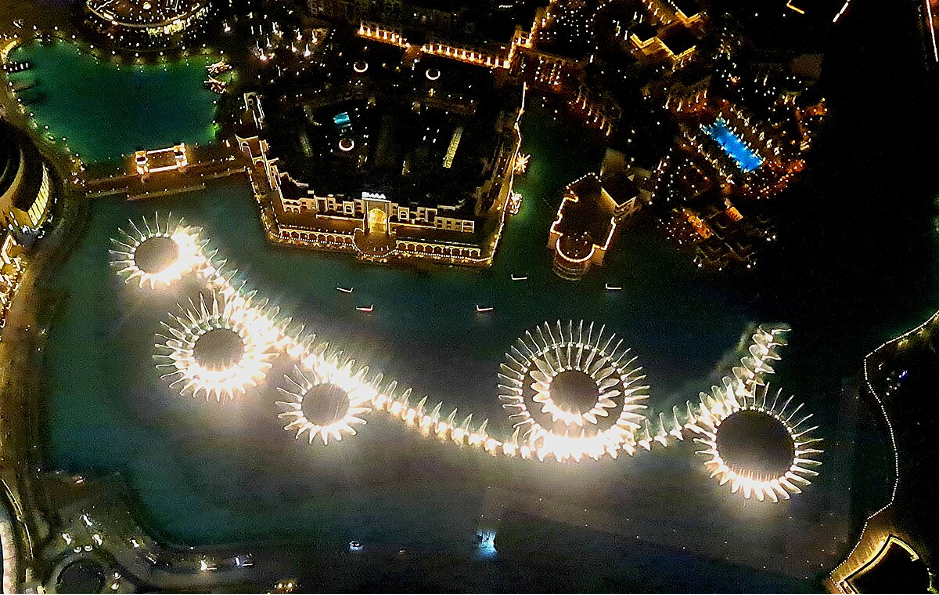
Dubai’s calendar of cultural events highlights its global outlook while honoring its traditions. Festivals such as the Dubai Heritage Festival and National Day celebrations showcase Emirati dance, music, and craftsmanship. Even the world-famous Dubai Shopping Festival incorporates traditional performances alongside modern entertainment, creating a unique cultural blend.
Art enthusiasts can explore the Sikka Art Fair, organized by the Dubai Culture & Arts Authority, which exhibits the works of UAE-based artists in the historic Al Fahidi Neighbourhood, fostering dialogue between traditional artistry and contemporary creativity.
Local Cuisine: A Taste of Dubai’s Heritage
Dubai’s culinary scene is a flavorful reflection of its diverse cultural influences. Traditional Emirati dishes like Majboos , a fragrant spiced rice with meat and Al Harees, a hearty wheat and meat dish, offer delicious insight into local gastronomy. Camel meat, prepared in various styles from stews to burgers, provides a unique taste experience.
Visitors can sample these traditional flavors in places like Al Marmoom Heritage Village, where dining feels like stepping back in time. Additionally, the annual Dubai Food Festival highlights not only Emirati dishes but also international cuisines, celebrating the city’s multicultural identity.
Frequently Asked Questions (FAQs)
1. What are the best times of year to experience cultural events in Dubai?
The cooler months from November to March are ideal for cultural events, including the Dubai Shopping Festival (January-February) and the Dubai Food Festival (February-March). The pleasant weather makes it perfect to explore outdoor historic sites and enjoy desert safaris.
2. Can tourists participate in local cultural practices, such as wearing traditional Emirati attire?
Absolutely. The Sheikh Mohammed Centre for Cultural Understanding offers sessions where visitors can wear traditional clothing and learn about Emirati customs, enhancing cultural understanding in a respectful environment.
3. Are there specific cultural etiquettes visitors should know?
Visitors should dress modestly, covering shoulders and knees, especially in traditional areas and religious sites. Public displays of affection should be minimal, and alcohol consumption is limited to licensed venues. During Ramadan, avoid eating or drinking in public during daylight hours as a sign of respect.
4. What traditional foods should visitors try?
Don’t miss Majboos, Al Harees, Camel Meat dishes, and Luqaimat — sweet dumplings popular during festivals. These dishes reflect Dubai’s rich culinary heritage.
- How can tourists best explore Dubai’s historic sites?
Guided tours through the Al Fahidi Historical Neighbourhood and visits to the Dubai Museum provide comprehensive insights. Cultural meals and talks arranged by the SMCCU deepen the experience.
Conclusion: A Cultural Melting Pot
Dubai is a city where tradition and modernity coexist in remarkable harmony. From the historic wind-towered houses of Al Fahidi to the towering skyscrapers of Marina, the city offers a unique journey across time and culture. Visitors can wander ancient souks by day and enjoy luxury dining by night, all while immersing themselves in a rich cultural heritage that Dubai actively preserves and celebrates. This vibrant cultural tapestry makes Dubai not only a global metropolis but also a living museum of tradition and innovation — an unforgettable destination for travelers seeking both history and modern excitement.